Why Recovery Time Between Hard Workouts Tends to Slow Down in the Thirties Faster Than Raw Strength Does
Someone in their thirties can still lift the same weights and run the same times as a few years earlier, and still find that bouncing back from a hard session takes noticeably longer than it used to, which reads as a strength or fitness decline, when it’s usually a completely separate variable, recovery capacity, that shifted first while raw performance held steady.

Why Strength Itself Declines Extremely Gradually Through the Thirties
The baseline: raw-strength-and-muscle-mass-decline-extremely-gradually-through-the-thirties-for-most-people-with-year-to-year-changes-small-enough-to-be-barely-noticeable-in-daily-training (raw strength and overall muscle mass declining extremely gradually through the thirties for most people, with year-to-year changes typically small enough to be barely noticeable at all during normal daily training, per the building-lasting-healthy-habits-in-your-thirties-guide logic — raw-strength-and-overall-muscle-mass-declining-extremely-gradually-through-the-thirties-for-most-people-with-year-to-year-changes-typically-small-enough-to-be-barely-noticeable-during-normal-daily-training), and the reframe (performance itself staying relatively stable well into the decade)).

Why Recovery Capacity Shifts Earlier Due to Sleep and Stress Load
The mismatch: recovery-capacity-gets-affected-earlier-in-the-thirties-by-accumulating-sleep-debt-and-life-stress-load-rather-than-by-age-related-strength-decline-itself (recovery capacity getting affected considerably earlier in the thirties by accumulating sleep debt and rising life stress load specifically, rather than by any age-related strength decline itself, which stays comparatively stable, per the thirties-health-foundation-decade logic — recovery-capacity-getting-affected-considerably-earlier-in-the-thirties-by-accumulating-sleep-debt-and-rising-life-stress-load-specifically-rather-than-by-any-age-related-strength-decline-itself), and the frame (a slower bounce-back reflecting life load, not a body that’s suddenly become weaker)).
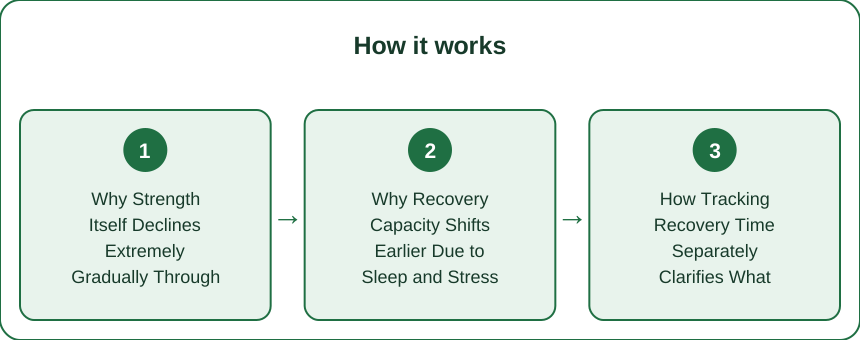
How Tracking Recovery Time Separately Clarifies What Changed
The check: track-how-many-hours-or-days-it-takes-to-feel-fully-recovered-after-a-hard-session-as-its-own-separate-number-from-performance-metrics-like-weight-lifted-or-pace (tracking how many hours or days it actually takes to feel fully recovered after a hard session, as its own separate number kept apart from performance metrics like weight lifted or running pace, per the thirties-fitness-shift-guide logic — tracking-how-many-hours-or-days-it-actually-takes-to-feel-fully-recovered-after-a-hard-session-as-its-own-separate-number-kept-apart-from-performance-metrics-like-weight-lifted-or-running-pace), and the frame (separating the two numbers revealing which one actually moved, instead of blaming both on age together).
Raw strength and muscle mass decline extremely gradually through the thirties for most people, while recovery capacity gets affected considerably earlier by accumulating sleep debt and rising life stress load, a mismatch that makes a slower bounce-back feel like declining fitness when performance itself hasn’t moved much at all. Tracking recovery time as its own separate number, apart from performance metrics like weight lifted or pace, clarifies which variable actually changed instead of blaming both on age together.
Keep Reading
This article is for general informational purposes only and is not medical advice. Always consult a qualified health professional for guidance specific to you.